
Why Replace a Lead-Acid Battery with a Lithium Battery?
Lithium batteries are increasingly being used as a replacement for traditional lead-acid batteries in electric vehicles, electric scooters, golf carts, utility vehicles and other low-speed electric mobility applications.
Compared with lead-acid batteries, lithium battery packs can offer higher energy density, lower weight, longer cycle life and more flexible capacity configurations. This means that, when the vehicle and battery system are properly matched, a lithium batter can provide more usable energy without significantly increasing the battery pack eight.
For example, replacing a heavy lead-acid battery system with a properly designed lithium battery pack can free up valuable space and weight, allowing vehicle manufacturers to optimize battery capacity and potentially increase driving range.
However, replacing a lead-acid battery with a lithium battery is not simply a matter of choosing a battery with the same voltage.

The battery pack must be compatible with the vehicle's electrical system, physical installation space, charger and control system.
Here are five important factors to consider.
1. Keep the Battery Voltage Compatible with the Vehicle
The first and most important consideration is battery voltage.
If an electric vehicle was originally designed for a 48V battery system, the replacement lithium battery should normally be designed around the same nominal voltage and compatible voltage range.
For example:
36V lead-acid system → compatible 36V lithium battery system
48V lead-acid system → compatible 48V lithium battery system
60V lead-acid system → compatible 60V lithium battery system
72V lead-acid system → compatible 72V lithium battery system
However, it is important to understand that nominal voltage alone is not sufficient.
Different battery chemistries have different operating and charging voltage ranges. The lithium battery's full-charge voltage, discharge voltage, BMS protection thresholds and the vehicle controller's voltage range should all be checked before making the replacement.
What happens if the voltage is incorrect?
Using a battery with a voltage that is too low may result in:
Reduced vehicle performance
Lower motor power
Controller undervoltage protection
Reduced usable driving range
Using a battery with a voltage that is too high may cause:
Controller overvoltage
Excessive electrical stress
Motor/controller compatibility problems
Potential damage to electronic components
Therefore, voltage compatibility should always be confirmed before replacing a lead-acid battery with lithium.
2. Check the Battery Compartment Dimensions
The second important factor is the physical size of the battery pack.
One of the major advantages of lithium batteries is their higher energy density. However, the available installation space still determines how large the battery pack can be.
Before ordering a replacement battery, measure:
Battery compartment length
Battery compartment width
Battery compartment height
Mounting position
Cable exit position
Connector location
Clearance around the battery
Fixing points
It is also important to leave sufficient space for installation, vibration protection, cable routing and thermal management.
Simply selecting the highest-capacity battery that can theoretically fit into the compartment is not always the best solution.
For example, a battery pack that fits with almost zero clearance may be difficult to install and remove, while excessive compression or mechanical stress should be avoided.
Custom lithium battery packs can solve space limitations
For OEM applications, a lithium battery pack does not always have to follow a standard rectangular design.
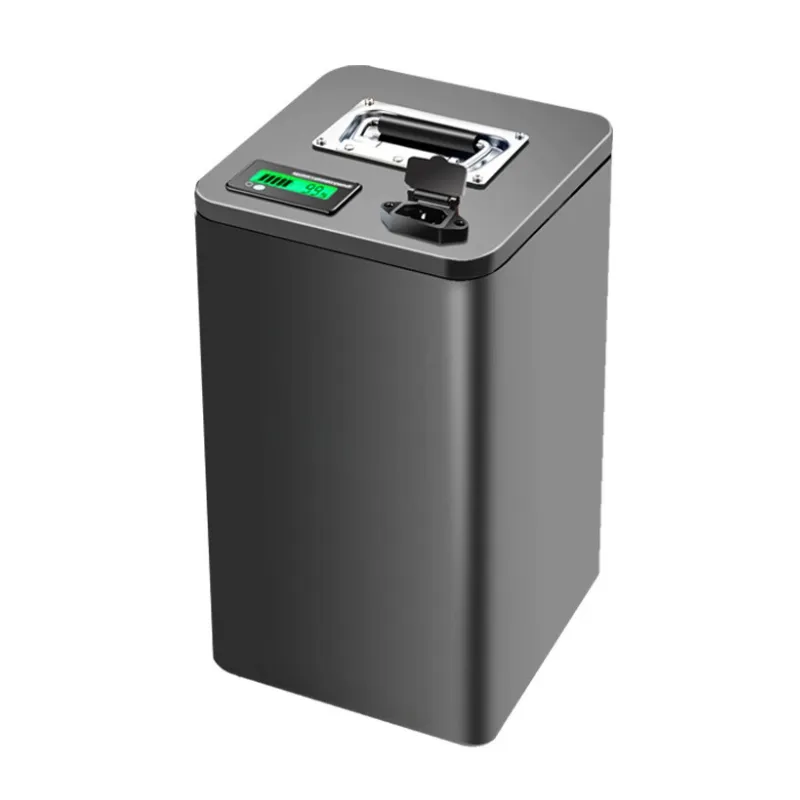
Battery cells can be arranged in different configurations to create a custom pack that matches the vehicle's available space.
This is particularly useful for:
Electric scooters
Golf carts
AGVs and AMRs
Robotic vehicles
Electric utility vehicles
Electric lawn equipment
Industrial vehicles
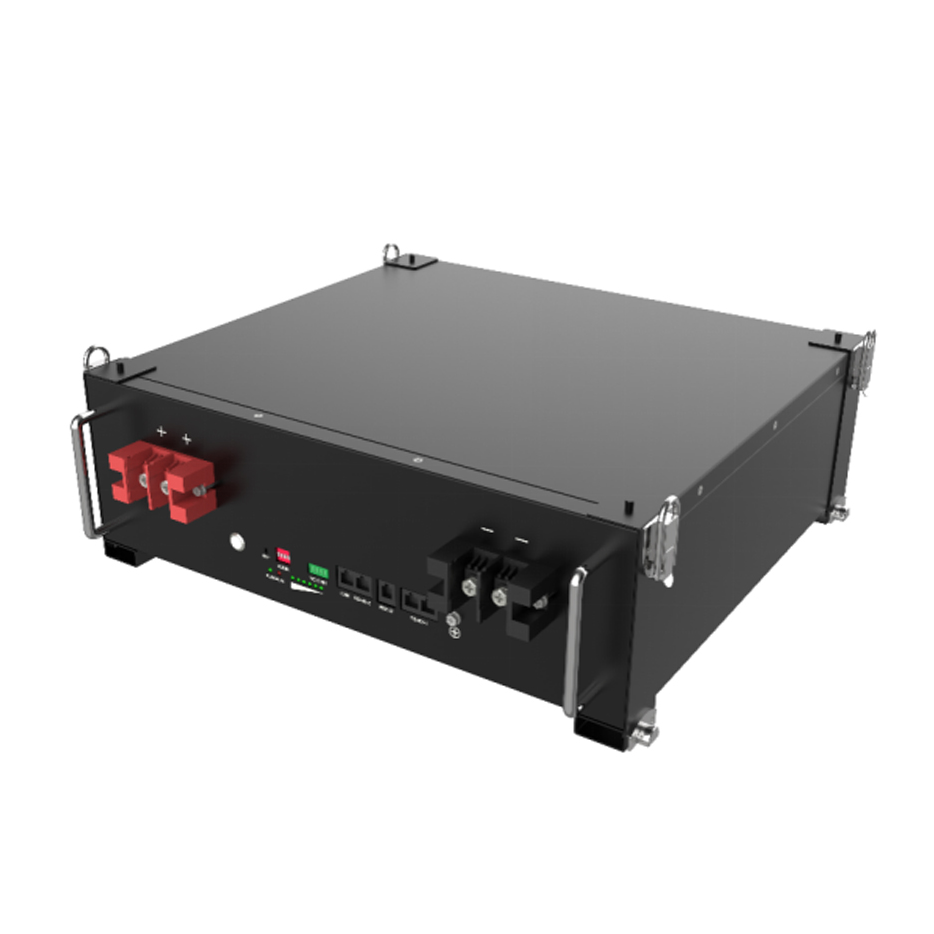
At PTPBATTERY, battery pack dimensions, cell configuration, connectors, BMS and communication interfaces can be customized according to the application requirements.

3. Use a Charger Designed for the Lithium Battery
A lithium battery should be charged using a charger compatible with the specific battery chemistry and battery pack voltage.
Lead-acid and lithium batteries have different charging characteristics. Therefore, the original lead-acid charger should not automatically be reused simply because its output voltage appears similar.
For a lithium battery system, the charger should be matched to:
Battery chemistry
Nominal battery voltage
Full-charge voltage
Recommended charging current
BMS specifications
Charging temperature requirements
For example, a LiFePO4 battery pack and a lead-acid battery pack may have different charging voltage requirements even when both systems are commonly referred to as "48V."
The charger and BMS should work together
A properly designed lithium battery system normally includes both:
Battery + BMS + compatible charger
The BMS provides battery protection, while the charger controls the charging process according to the battery's required voltage and current profile.
For OEM projects, we recommend evaluating the battery, BMS, charger and vehicle controller as one complete system, rather than treating the battery as an isolated component.
4. Select the Right Lithium Battery Chemistry
Not all lithium batteries are the same.
Two commonly used lithium-ion chemistries for electric mobility applications are:
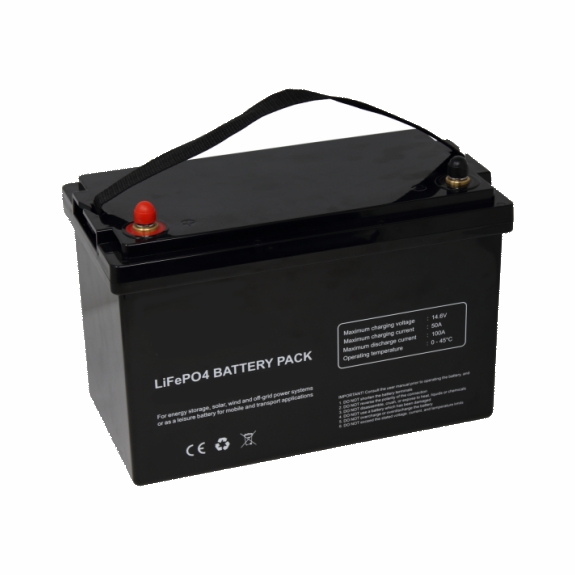
LiFePO4 – Lithium Iron Phosphate
LiFePO4 batteries are widely used where safety, cycle life and durability are important.
Typical advantages include:
Good thermal stability
Long cycle life
Stable chemistry
Good safety characteristics
Suitable for frequent charge/discharge applications
This makes LiFePO4 a popular option for many electric vehicle and industrial applications.
NMC – Nickel Manganese Cobalt
NMC batteries generally offer higher energy density than LiFePO4 and can be useful when weight and available space are major design constraints.
Depending on the application, NMC may be considered for:
Compact electric vehicles
Portable equipment
Robotics
Applications with strict weight limitations
However, battery chemistry should not be selected based on energy density alone.
The correct choice depends on:
Energy density + safety + cycle life + operating temperature + power requirements + available space + cost.
For this reason, professional battery pack design is important when converting an electric vehicle from lead-acid to lithium.
5. Make Sure the Lithium Battery Has a Proper BMS
A Battery Management System (BMS) is one of the most important components of a lithium battery pack.
Unlike a traditional lead-acid battery system, lithium battery packs require appropriate electronic protection and monitoring.
A BMS can monitor parameters such as:
Cell voltage
Pack voltage
Charging current
Discharging current
Cell temperature
Battery temperature
State of charge (SOC)
Overvoltage
Undervoltage
Overcurrent
Short circuit conditions
Depending on the battery design, the BMS can also provide additional functions such as:
Cell balancing
Communication through CAN
RS485 communication
UART communication
Bluetooth monitoring
Fault detection
Data logging
For example, an OEM electric vehicle may require the battery to communicate with the vehicle controller through CAN or RS485. In this case, the BMS needs to be selected and configured accordingly.
Therefore, BMS selection should be based on the actual electrical and communication requirements of the vehicle, rather than simply choosing a BMS according to battery capacity.
Lead-Acid vs. Lithium Battery: What Should You Consider?

The actual performance depends on the battery chemistry, cell quality, pack design, operating conditions and vehicle system.
Can a Lithium Battery Double the Range of an Electric Vehicle?
Replacing a lead-acid battery with lithium does not automatically double the vehicle's range.
Driving range depends on many factors, including:
Battery voltage
Battery capacity
Usable energy
Vehicle weight
Motor efficiency
Controller efficiency
Driving speed
Terrain
Payload
Tire pressure
Ambient temperature
Driving conditions
For example, a 48V 100Ah battery has approximately:
48V × 100Ah = 4.8kWh nominal energy
A properly designed lithium battery with greater usable capacity can provide more available energy while potentially reducing battery weight.
Therefore, instead of promising a fixed "2× range," it is more technically accurate to say that a lithium battery can provide significantly greater usable energy and enable longer driving range when the vehicle system is properly designed around it.
Professional Lithium Battery Pack Design Matters
Replacing a lead-acid battery with lithium is more than simply changing the battery chemistry.
A complete replacement project should consider:
Battery chemistry → Cell configuration → Voltage → Capacity → BMS → Charger → Controller → Connectors → Mechanical dimensions → Communication → Protection → Certification
For OEM manufacturers, these requirements can be different from one vehicle to another.
A standard battery pack may work for one application but not another.
This is where a custom lithium battery pack supplier can provide value.
PTPBATTERY Custom Lithium Battery Solutions
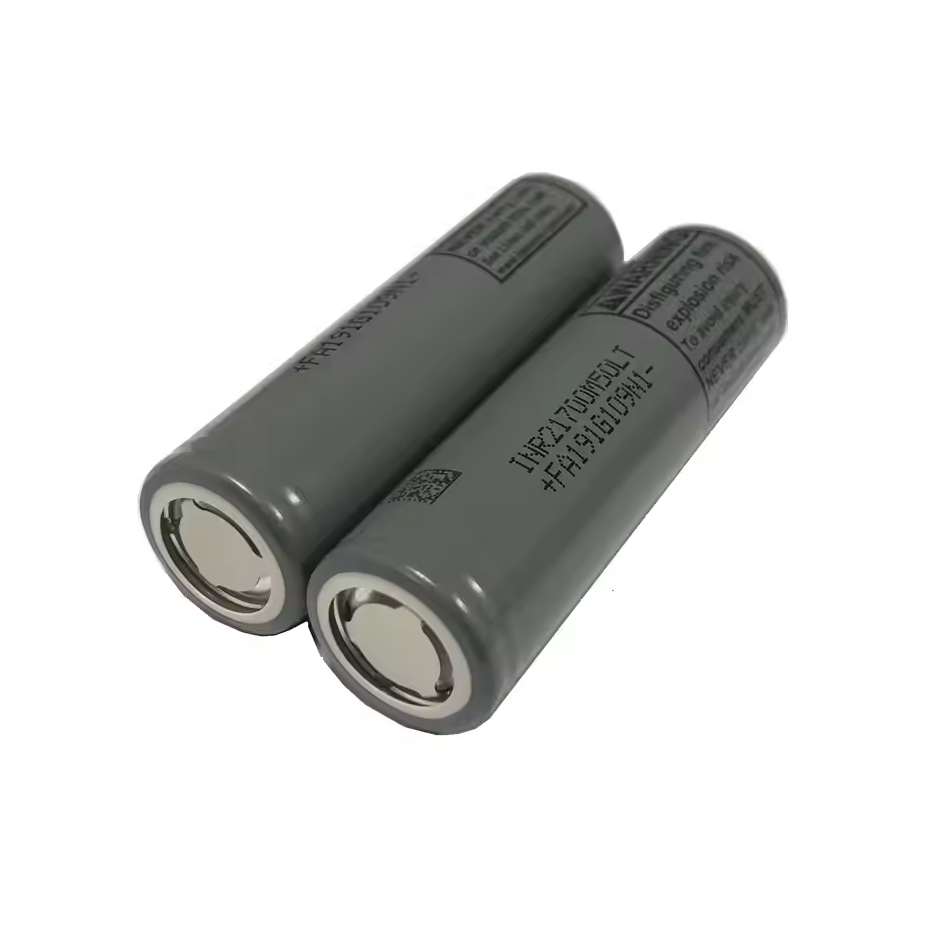
PTPBATTERY specializes in custom lithium battery packs and battery cells for OEM applications.
We can support customized battery solutions based on your vehicle and equipment requirements, including:
Custom voltage and capacity
LiFePO4 and NMC battery packs
Custom battery dimensions
Custom BMS
CAN / RS485 / UART communication
Bluetooth monitoring
Cell balancing
Custom connectors
Charging solutions
Prototype development
OEM/ODM battery pack design
Battery testing and validation
Whether you are replacing a lead-acid battery in an existing vehicle or developing a new electric mobility product, our engineering team can help evaluate the electrical, mechanical and battery management requirements before selecting the final battery configuration.
Conclusion
Replacing a lead-acid battery with a lithium battery can bring significant benefits, including lower weight, higher energy density, longer cycle life and greater flexibility in battery capacity and design.
However, a safe and reliable conversion requires more than simply choosing a lithium battery with the same Ah rating.
The five key factors are:
Ensure voltage compatibility
Check the battery compartment dimensions
Use a compatible lithium battery charger
Select the appropriate lithium chemistry
Use a properly designed BMS
For OEM applications, the battery should be evaluated as part of the complete vehicle electrical system.
Looking for a custom lithium battery pack for your electric vehicle? Contact PTPBATTERY with your voltage, capacity, dimensions, discharge current and communication requirements. Our engineering team can help develop a battery solution based on your application.
Contact us at info@packteampower.com
Previous: Qualified Lithium Battery Pack
Next: No Information
Related News
- Converting an Electric Vehicle from Lead-Acid to Lithium Battery: 5 Key Factors to Consider
- Qualified Lithium Battery Pack
- Mid-2026 Lithium Battery Industry Watch: Solid-State Batteries Accelerate...
- Lithium Battery Procurement – Technical Specification Checklist
- 48V lithium ion battery
- How should emergency light batteries be chosen?
- How Does Lithium Cell Consistency Affect the Battery Pack?
- How Do Solar Panels Work?
- Global First Sodium-Ion Battery-Powered Passenger Car Set for Mass Production!
- 48V80Ah Battery Pack | Reliable Solutions for Energy Storage, UPS, and AGV